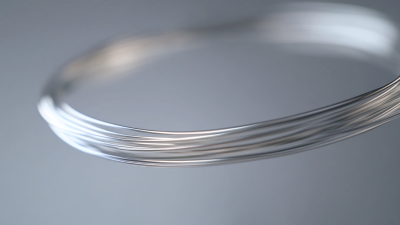
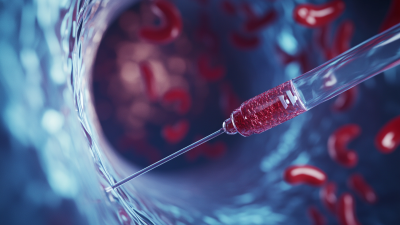
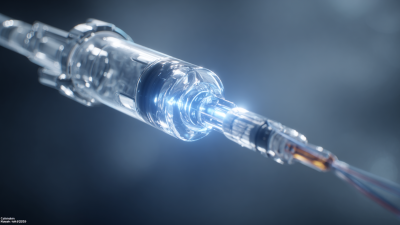
In the constantly changing world of medical procedures, having precise and effective interventions is super important for getting the best results for patients. One really exciting development lately is the use of Micro Guide Wires. They’ve totally changed the game when it comes to guiding doctors through tricky blood vessels and other tricky spots inside the body.  Tianck Medical Co., Ltd. is definitely leading the charge with these innovations, working hard to create high-quality, precision tools tailored to meet the needs of healthcare pros and their patients. By using Micro Guide Wires, doctors can do their jobs more accurately and safely, which means better experiences and outcomes for the people they treat. This article is all about practical tips for using these wires effectively, highlighting their benefits and showing how Tianck Medical’s dedicated to pushing healthcare forward all around the world.
Understanding the Anatomy of Micro Guide Wires in Medical Applications
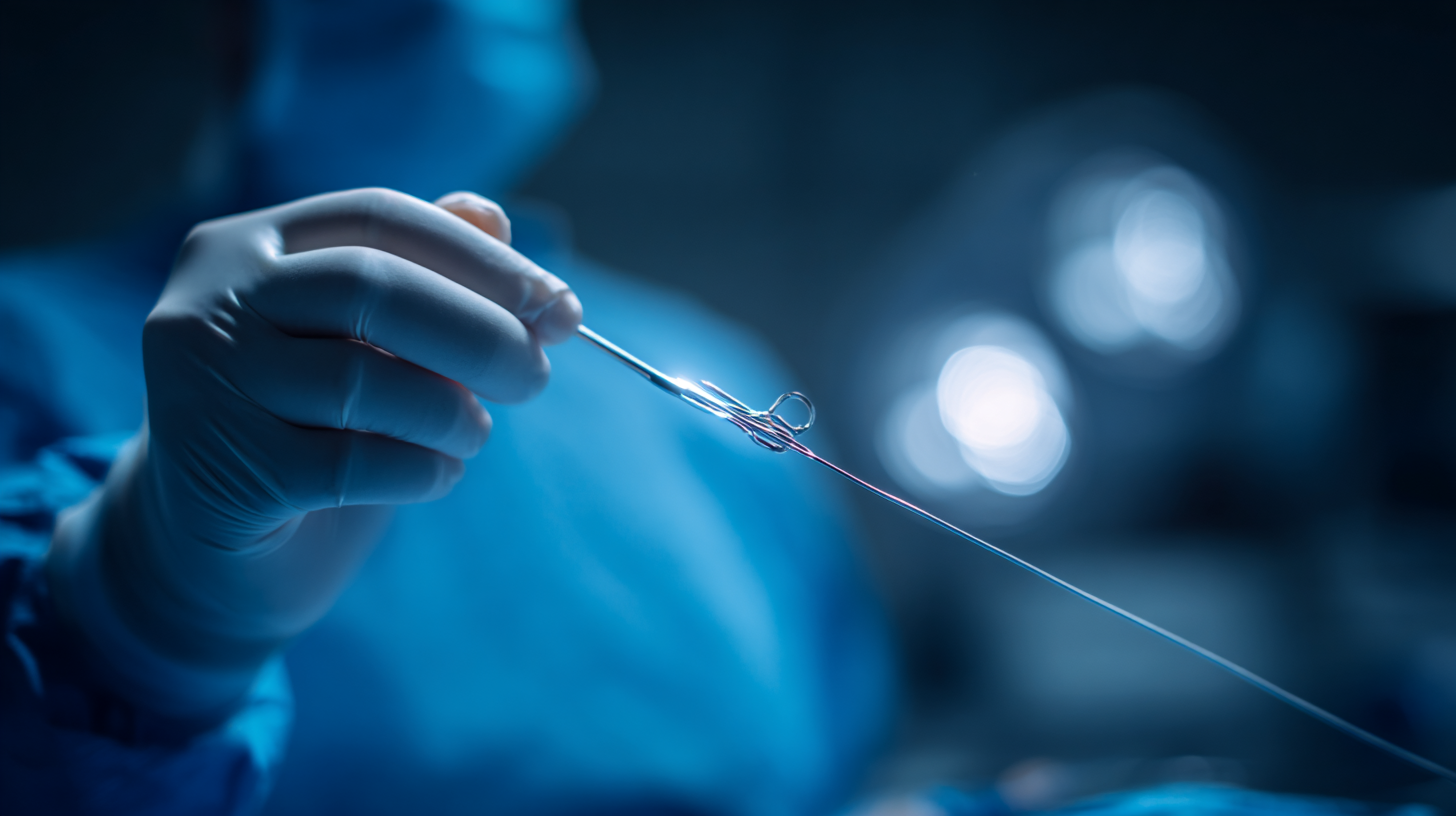 Getting to know the ins and outs of micro guide wires is pretty important if you want to get better at using them in complicated medical procedures, like tackling chronic total occlusions (CTOs). Lately, there’ve been some exciting upgrades in guidewire tech—new designs and features that really help with maneuverability and effectiveness. For example, some recent studies show that using advanced materials in making these wires makes them more flexible without sacrificing torque, so they can better follow tricky twists and turns in blood vessels. This kind of adaptability is a total game-changer, especially in fields like interventional radiology, where getting a catheter exactly where it needs to go can really make or break patient outcomes.
Plus, there's been a lot of buzz around soft robotic steerable micro-catheters — pretty cool stuff! Tests on live pig models have shown that these devices can navigate through complex blood vessel networks and even deliver embolization coils effectively. It all goes to show that understanding the details of a micro guide wire’s anatomy—the tip design, coating, stiffness—really matters. These little features can make a huge difference in how successfully a device can be guided and deployed. As the medtech world keeps pushing forward, keeping up with these innovations and understanding what makes them work will be key for healthcare pros who want to do their best, whether it’s making procedures smoother or keeping patients safe.
Selecting the Right Micro Guide Wire for Your Specific Procedure
When you're choosing the right micro guide wire for your specific procedure, there are quite a few things you wanna keep in mind to make sure everything goes smoothly. For example, the diameter and length of the wire really matter. I read in the Journal of Vascular Surgery that using a guide wire with a diameter of 0.014 inches can really help cut down the risk of damaging blood vessels during the procedure. Also, how flexible the wire is can be a game-changer — more flexible wires tend to make it easier to get around tricky spots in the anatomy, sometimes improving access to hard-to-reach lesions by up to 30%. Best of all, these small differences can make a big difference in how well things turn out.
Another thing to think about is what the wire is made of. A lot of the newer, high-tech wires come with special coatings that help them slide through vessels more smoothly. According to the International Journal of Clinical Medicine, hydrophilic-coated guide wires can really reduce friction, which means fewer complications and higher chance of success. Some studies even report success rates as high as 95% when the right wire is chosen and used correctly.
Bottom line — understanding these little details can really impact your results, helping healthcare folks make smarter choices tailored to each procedure.
Techniques for Insertion: Maximizing Precision with Micro Guide Wires
Using micro guide wires has pretty much become a must-have in today’s medical procedures, especially when it comes to precise interventions. Honestly, getting the hang of how to insert them properly is super important if you want to make the most out of these tools. One common approach is to carefully follow the anatomy, making sure the guide wire makes it to the right spot without causing any damage. And you know what? Using imaging technology can really make a difference — it helps doctors see exactly where the wire is going, so everything’s more accurate.
That said, there’s been quite a bit of talk lately about ostial stent placement, and here’s the thing — there’s no one-size-fits-all trick that guarantees perfect placement every time. Over the years, different techniques have popped up, each with its own pros and cons. The key is to understand the subtle differences and be able to adapt them to your own skill set. At Tianck Medical Co., Ltd., we’re all about designing high-precision products that support these advanced techniques, aiming to improve patient outcomes and help healthcare pros deliver top-notch care.
Common Challenges and Solutions in Using Micro Guide Wires
Micro guide wires have really changed the game in many medical procedures, allowing for much more precise navigation through blood vessels. That said, they’re not without their hiccups. One common issue docs run into is kinking or even snapping the wire during the procedure—definitely not ideal because it can cause delays and make things take longer than they should. To avoid this, it’s a good idea for clinicians to choose the right wire size for the specific task and to handle it gently and carefully when inserting. Rushing or using too much force usually makes things worse.
Another tricky part is that sometimes it’s hard to get a clear view, especially when dealing with complicated anatomy. This can make positioning the wire accurately pretty challenging. Luckily, using advanced imaging tools like fluoroscopy or ultrasound can really help improve visibility. Plus, adding hydrophilic coatings to the wires can make them way easier to maneuver through tricky, winding blood vessels. These coatings help reduce friction and allow for smoother navigation overall. By keeping these strategies in mind, healthcare providers can make the procedures safer and more effective, minimizing complications and improving patient outcomes.
How to Effectively Utilize Micro Guide Wires for Enhanced Medical Procedures - Common Challenges and Solutions in Using Micro Guide Wires
| Challenge | Description | Solution | Key Benefits |
| Limited Visibility | Micro guide wires can be difficult to visualize under certain conditions. | Use fluoroscopy or advanced imaging techniques to enhance visibility. | Improved accuracy during procedures. |
| Torque Control | Managing the degree of torque applied to the wire can be challenging. | Opt for guide wires with enhanced torque response designs. | Increased maneuverability in complex anatomical situations. |
| Breakage or Kinking | Micro guide wires can break or kink under excessive pressure or tight curves. | Use wires made from more flexible materials, and practice gentle handling techniques. | Reduced risk of complications during procedures. |
| Size Selection | Choosing the appropriate size for various procedures is crucial. | Utilize guides or training to understand the anatomy and size requirements. | Improved outcomes through proper wire selection. |
| Cost Management | High-quality micro guide wires can be expensive. | Implement a procurement strategy for bulk purchasing and supplier negotiation. | Cost savings without compromising on quality. |
Aftercare Best Practices to Ensure Optimal Outcomes with Micro Guide Wires
When it comes to using micro guide wires, taking good care afterwards is honestly a big deal if you wanna get the best results. A solid aftercare routine doesn’t just help patients recover smoothly, but it also makes the whole procedure more effective. Medical folks really need to keep a close eye on their patients, watch out for any issues like infections or damage to the tissues around, and step in fast if something seems off. Regular check-ups and imaging can give valuable clues about how healing’s going, so quick action can be taken if needed.
At Tianck Medical Co., Ltd., we’re all about helping improve patient outcomes. That's why we stress how important aftercare is, especially when used together with our precision-engineered micro guide wires. We tell healthcare providers to educate their patients about warning signs, and how important it is not to skip follow-up visits. Combining our cutting-edge products with a solid aftercare plan really helps ensure patients get the best possible results. Our goal is to support medical teams every step of the way, showing that good outcomes come from both innovative tools and thorough aftercare practices.

Future Innovations: Advancements in Micro Guide Wire Technology and Use
The world of medical procedures is changing pretty fast these days, especially with micro guide wire tech leading the charge. In the near future, we’re looking at some exciting improvements that could make minimally invasive surgeries even more precise and effective. One of the big breakthroughs involves using new materials like shape-memory alloys and biocompatible polymers. These materials make the wires more flexible and stronger at the same time, allowing doctors to better navigate those tricky, winding parts inside the body.
Plus, digital tech is stepping into the game—think real-time imaging and robotic help. This means doctors can see exactly what they’re doing and steer these tiny wires with incredible accuracy, which seriously cuts down on complications. Robots can boost the wires’ dexterity too, making surgeries that used to seem almost impossible now doable. As all these innovations keep improving, it’s pretty clear that micro guide wires are going to play a bigger role in improving patient outcomes and making surgeries run smoother than ever before.
Usage of Micro Guide Wires in Medical Procedures Over the Years
FAQS
: Aftercare is crucial for ensuring optimal outcomes in medical procedures, facilitating patient recovery, and enhancing the efficiency of the procedures performed.
Healthcare providers should monitor for complications such as infection or damage to surrounding tissues.
Regular follow-ups and imaging assessments can provide valuable insights into the healing process, allowing for timely interventions if complications arise.
Advanced materials such as shape-memory alloys and biocompatible polymers are being developed to improve flexibility and strength of micro guide wires.
Digital technologies such as real-time imaging allow clinicians to visualize and maneuver micro guide wires with greater accuracy, reducing the risk of complications.
Robotic systems enhance dexterity and control during procedures, enabling more intricate surgeries that were previously too challenging.
Tianck Medical Co., Ltd. emphasizes the importance of aftercare and encourages healthcare providers to educate patients about the signs of complications and adherence to follow-up schedules.
Educating patients about signs of complications and the importance of follow-up schedules can significantly improve recovery outcomes.
Future innovations could enhance precision and efficacy in surgeries, enabling smoother navigation and reducing complexity in surgical procedures.
A comprehensive approach that includes innovative products and thorough aftercare practices helps ensure favorable patient outcomes, thus advancing healthcare standards globally.
Conclusion
Micro Guide Wires are pretty essential when it comes to making medical procedures more precise and effective. Knowing their anatomy is really important for healthcare professionals so they can pick the right wire for each specific procedure. When it comes to inserting them, the key is to focus on being as accurate as possible and to be prepared for some typical challenges that might pop up along the way. Plus, good aftercare is super important—nothing beats proper follow-up to make sure patients recover well and get the best results.
As technology keeps evolving, especially in the world of Micro Guide Wires, we can expect some exciting innovations that will make these tools even better. At Tianck Medical Co., Ltd., they’re really leading the charge—always working on high-quality, precision-made products that adapt to what medical professionals need right now. All of this ultimately helps improve patient outcomes worldwide, which is pretty awesome.