You know, over the last few years, the medical field has really stepped up its game with Central Venous Catheters, or CVCs for short. These little guys are super important for Critical Care and for taking care of patients with some pretty complex medical needs. A report from theNational Institute of Health in 2023 pointed out that the use of CVCs in intensive care units has skyrocketed, with almost 15% of all hospital admissions involving them. That really highlights just how essential they are in treating patients.

And then there's Tianck Medical Co., Ltd., which is seriously leading the charge in this area. They're all about improving patient outcomes and advancing healthcare, focusing on precision-engineered CVC products that cater to the unique needs of medical pros and patients around the globe. As we take a closer look at what makes the best central venous catheters stand out, we'll also check out the latest tech trends and alternative options that are setting the stage for the futureof Vascular Access in2025 and beyond.
Key Characteristics That Define the Best Central Venous Catheters
When it comes to central venous catheters (CVCs), several key characteristics define their quality and applicability in clinical settings. Firstly, biocompatibility is crucial, as the catheter material should minimize the risk of thrombosis and infection upon entering the body. Catheters made from materials such as polyurethane or silicone are often preferred due to their excellent compatibility with blood. Additionally, a good CVC should feature a smooth interior to facilitate easy insertion and reduce the chances of clot formation.
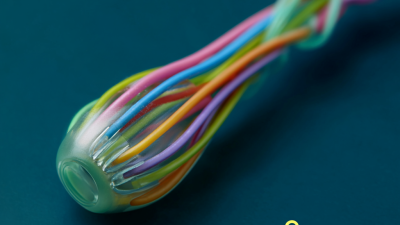
Another defining characteristic is the catheter's design, which should allow for optimal flow rates as well as ease of manipulation. Catheters with multiple lumens provide versatility, enabling simultaneous administration of fluids, medications, or blood products while reducing the frequency of catheter changes. Furthermore, the catheter's length and diameter need to be matched with the intended site of insertion, ensuring that it is suitable for both short-term and long-term use. With these features, healthcare providers can effectively utilize the best CVCs to enhance patient care and outcomes in various medical situations.
Essential Applications of Central Venous Catheters in Clinical Practice
You know, central venous catheters, or CVCs for short, are pretty essential in today’s hospitals. They give doctors and nurses a crucial way to get into the vascular system, which is super important for a bunch of medical reasons. For example, they’re really handy when it comes to giving medications and fluids, especially for patients who need intense treatments like chemotherapy, antibiotics, or total parenteral nutrition. One of the coolest things about CVCs is that they can stay put for a long time, which means healthcare providers can handle these treatments a lot more easily—no one enjoys getting poked with needles repeatedly, right?

But that's not all—they’re also key in keeping an eye on how the patient is doing. CVCs help measure things like central venous pressure (CVP), which is pretty important for figuring out a patient’s fluid levels and deciding what treatment they need next. In the critical care world, CVCs make a huge difference when it comes to drawing blood too; they really help cut down on those multiple needle sticks and make things a bit more comfortable for the patient. So, it’s clear that CVCs are not just handy for treatment. They also play a role in making sure patients are looked after well—both through effective monitoring and better use of resources.
Top 5 Brands of Central Venous Catheters: A Comparative Review
Let's talk about central venous catheters, or CVCs for short. There’s a whole marketplace out there with a bunch of products, each one boasting unique features that cater to different clinical needs. According to a report from Global Market Insights, the CVC market is on track to hit over $1.3 billion by 2026! That’s mainly due to more surgeries happening and a rise in chronic diseases. This growth really shows how crucial it is to choose the right CVC brand, since the choice can seriously impact patient outcomes.
We recently took a deep dive into a comparison of the top five CVC brands. We looked closely at things like the materials used, the design of the catheter tip, and how user-friendly they are. For instance, the MILA International catheter stands out because of its innovative biocompatible material—it actually helps lower the risk of thrombosis. On the flip side, the Bard PowerLoc system features a special hub design that improves how medications are delivered. Some research from the Journal of Vascular Access even suggests that using CVCs with these advanced designs can cut complication rates by up to 20%! It really highlights how these products play a pivotal role in today’s healthcare. So yeah, it's super important to closely examine each brand for effectiveness and safety to ensure they fit with specific patient needs and clinical scenarios.
Expert Tips for Proper Insertion and Maintenance of Central Venous Catheters
Let's talk about central venous catheters (CVCs) for a minute. When it comes to putting these things in and keeping them working, having the right know-how is super important. You really want to make sure everything's safe and that the whole process goes smoothly. For starters, it’s all about technique. If healthcare professionals can use ultrasound guidance during insertion, it makes a huge difference - it cuts down on complications a lot. Plus, sticking to sterile procedures is key to avoiding catheter-related infections, which can be a real headache for patients if they happen.
Now, once we’ve got the catheter in, keeping it maintained is just as critical. Flushing it with saline on a regular basis is a must to prevent any blockages. And let’s not forget, the dressing needs to be changed regularly, and it should be done with aseptic techniques – that’s just a fancy way of saying we need to keep it clean. If any signs of infection pop up, like redness or swelling around the insertion site, those need to be checked out right away. You know, it’s also super helpful to educate patients about what to look out for. When they know the signs of complications and how to report any changes, it gives them a sense of control and makes managing their CVC a lot easier. Ultimately, by creating an environment focused on diligent care, we can really make the most of CVCs while lowering the risks involved.
Common Complications and How to Avoid Them with Central Venous Catheters
You know, central venous catheters, or CVCs as they’re often called, are really essential tools in today’s medical world. They make it super easy to give patients medications, fluids, and even nutrition right into their bloodstream. But, let's be real, using them isn’t without its risks. A study featured in the Journal of the American College of Surgeons found that when it comes to central line-associated bloodstream infections—those pesky CLABSIs—they occur anywhere from about 1.3 to 26.3 infections per 1,000 catheter days. That’s a pretty eye-opening range and really underscores just how important it is to have solid prevention strategies in place.
To tackle these potential issues, it’s crucial to use evidence-based practices. The CDC has this recommendation—use chlorhexidine for skin antisepsis when inserting these catheters and really maximize those barrier precautions. Also, don’t forget about routine monitoring and maintenance! Simple things like changing the dressing regularly and checking if the catheter is still needed can make a world of difference in lowering infection rates. It’s not just about keeping patients safer; it also helps cut healthcare costs, which, according to the Institute for Healthcare Improvement, can really skyrocket to over $30,000 for just one infection. So, getting a grasp on these common complications is super important for healthcare folks who are working with CVCs.
Innovative Technologies in Central Venous Catheters: What to Look For
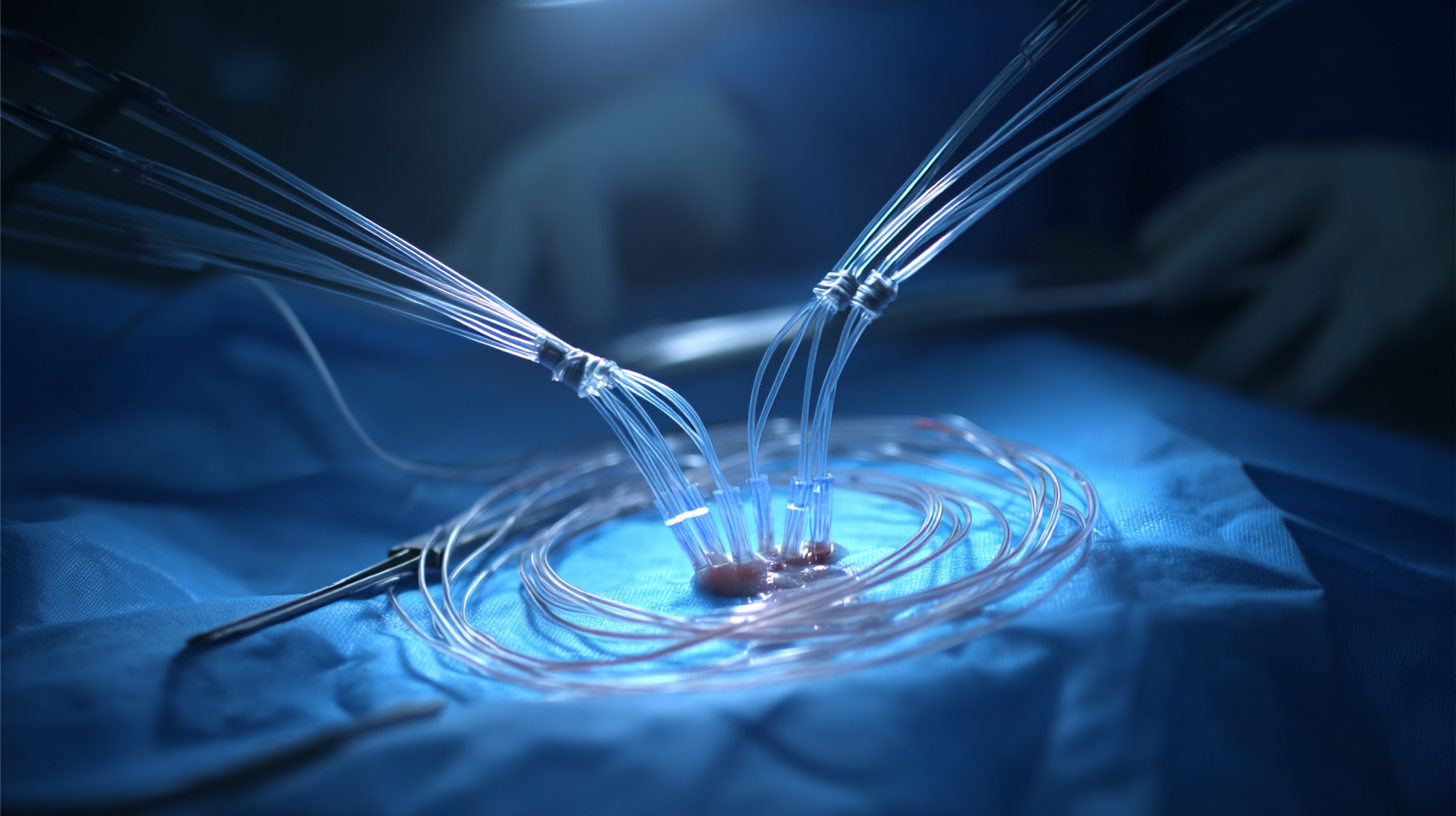
When diving into the world of central venous catheters, or CVCs as they're often called, it’s super important to pin down what really makes the top products stand out. These days, modern CVCs are using some really advanced materials. They boost biocompatibility and help cut down on the risk of infections. Take catheters with antimicrobial coatings, for example—they act like a first line of defense against the usual culprits that cause infections, which means fewer catheter-related bloodstream infections. And let’s not forget about designs that are all about minimizing trauma during insertion. Not only do these designs keep patients safer, but they also help speed up the whole procedure, which is a win-win, right?
Another exciting innovation in CVCs is the addition of smart technology. Some of the latest ones come loaded with sensors that keep an eye on things like pressure and flow rates in real time. This kind of data really helps healthcare providers make quick decisions when complications pop up. Plus, using ultrasound guidance during catheter placement is becoming the norm, and that’s leading to higher success rates and way fewer complications. These advancements are such a big step forward—they really focus on ensuring patient safety and comfort, while also making venous access procedures way more effective.
Enhancing Patient Care: The Rising Demand for Peripherally Inserted Central Catheters in Modern Healthcare Settings
The demand for Peripherally Inserted Central Catheters (PICCs) is surging in modern healthcare settings, driven by the growing need for reliable and efficient vascular access. According to the Infusion Nurses Society, the number of PICC placements has increased significantly over the past decade, with reports indicating that over 5 million PICCs are placed annually in the U.S. alone. This increase can be attributed to advancements in clinical practices that recognize the importance of mid- to long-term venous access for patients requiring ongoing treatments, such as those undergoing chemotherapy or long-term antibiotic therapy.
PICC lines are designed to provide a less invasive option than traditional central lines while still reaching central veins, such as the superior vena cava. Their flexible design allows for easier insertion and reduced discomfort for patients, making them a preferred choice among healthcare professionals. A recent study published in the Journal of Vascular Access highlights that PICCs can significantly lower the risk of complications when compared to other methods of venous access, reinforcing their value in patient care. With their ability to accommodate medications, fluids, and nutritional needs, PICCs have become essential tools in managing patient health efficiently and effectively, particularly in acute care hospitals and outpatient settings.
FAQS
: Catheters made from polyurethane or silicone are often preferred due to their excellent biocompatibility, which minimizes the risk of thrombosis and infection.
A smooth interior facilitates easy insertion and reduces the chances of clot formation within the catheter.
Catheters with multiple lumens provide versatility by enabling simultaneous administration of fluids, medications, or blood products, while reducing the frequency of catheter changes.
Professionals should prioritize the use of ultrasound guidance during insertion to significantly reduce the risk of complications and adhere to sterile procedures to prevent infections.
CVCs should be flushed on a strict schedule with saline to prevent occlusions, which can affect their functionality.
Patients should be educated to look for signs of infection, such as redness or swelling at the insertion site, so that any issues can be promptly addressed.
Educating patients about the signs of complications and the importance of reporting changes empowers them in their care and enhances overall management of their central venous access.
Matching the catheter's length and diameter ensures suitability for both short-term and long-term use, which is crucial for effective patient care.
Catheter-related infections are a common issue that can arise if sterile procedures are not followed and maintenance schedules are not adhered to.
By fostering an environment of diligent care, healthcare providers can minimize risks associated with CVCs, ultimately enhancing patient care and outcomes.