Leave Your Message
You know, over the past few years, heart care has really changed a lot, thanks in large part to some amazing advances in medical technology. One standout innovation is the Cardiovascular Angiography Catheter. This little device has become a game changer when it comes to diagnosing and treating heart issues. Did you know that cardiovascular diseases are still the number one cause of death around the world? According to the American Heart Association, they account for about 17.9 million deaths each year! So, as healthcare systems work hard to improve how patients fare, tools like the Cardiovascular Angiography Catheter are absolutely vital. They not only give us a clear picture of blood vessels in real-time, but they also help navigate treatments that can actually save lives.
At Tianck Medical CO., Ltd., we’re all about making healthcare better with our precision-engineered products, designed specifically for the needs of both medical professionals and patients around the globe. We really care about quality and innovation, especially given how much people are looking for effective solutions in cardiovascular care. In fact, the global market for these angiography catheters is expected to soar past USD 3 billion by 2027! That just shows how much these devices are relied on in cardiac care. As we delve into the significant impact of Cardiovascular Angiography Catheters on healthcare, it’s clear that ongoing advancements in this area are super important for tackling the growing challenge of heart diseases worldwide.
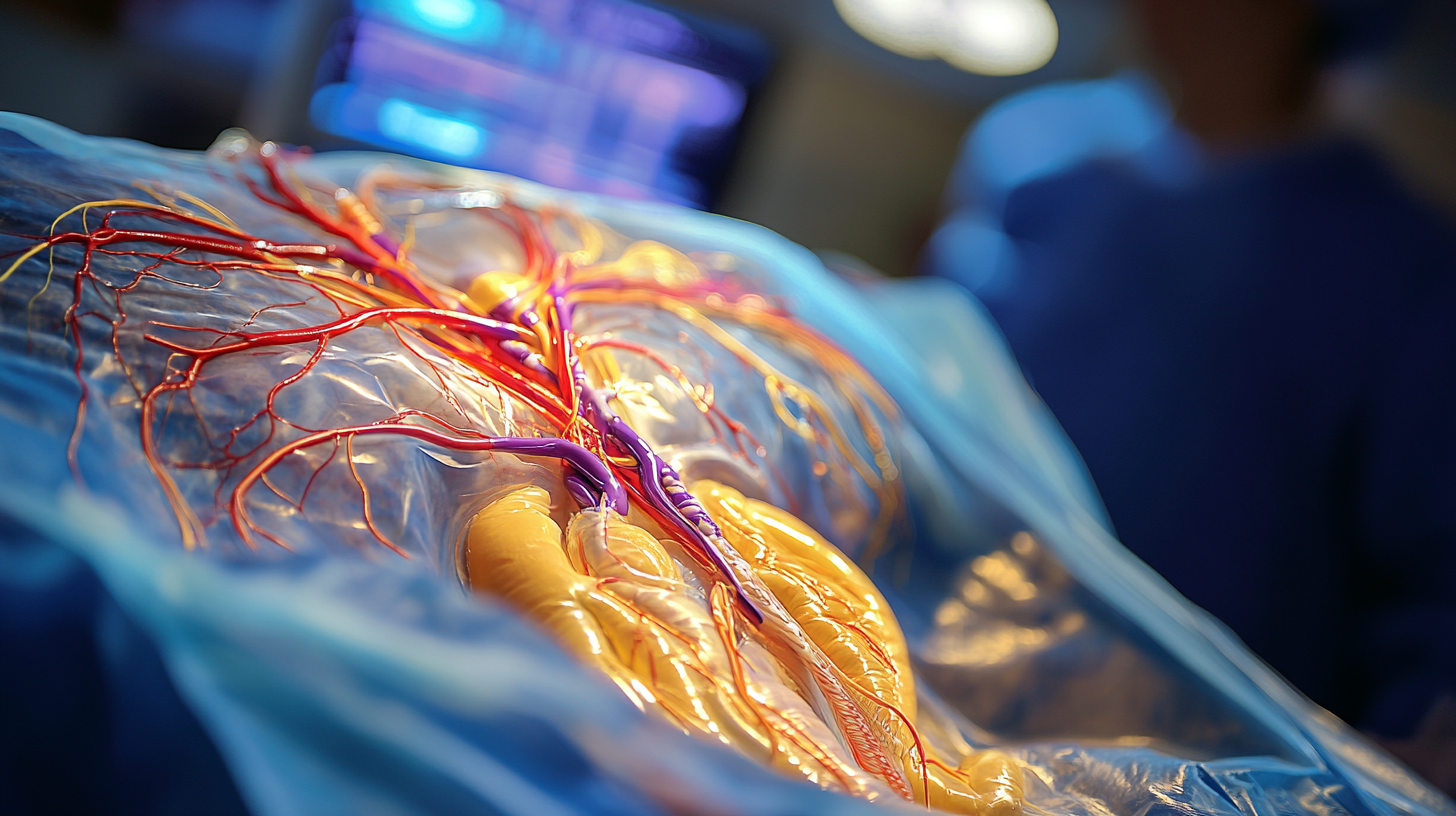
You know, when it comes to cardiovascular care, it’s amazing to see how much it’s changed over the years. We’ve really come a long way, thanks to advancements in technology and a deeper understanding of medicine. Take cardiovascular angiography catheters, for example. These crucial tools for diagnosing and treating heart issues have evolved quite a bit since they first came onto the scene back in the mid-20th century. A report from the American Heart Association even points out that, with the introduction of these catheter-based techniques, there's been a whopping 30% boost in the accuracy of diagnosing coronary artery disease. Just think about it – before that, doctors had to rely on older methods like stress tests, which weren't all that precise. Looking back, the first successful selective coronary angiography was carried out in 1960, and what a game-changer that was for cardiac medicine! The early catheters weren’t exactly perfect and often led to complications, which is pretty scary when you think about patient safety. But since then, we’ve seen some major improvements in the materials and designs of these catheters, which have cut down the risks quite a bit. Nowadays, modern catheters come packed with high-definition imaging capabilities, giving doctors a much better view of the vascular system. It’s fascinating to note that research shows using these advanced catheter technologies can actually cut the incidence of complications in half, which is a huge win for patient outcomes! And there’s even more good news! A study from the Journal of the American College of Cardiology points out that globally, these minimally invasive techniques have led to a stunning 25% drop in heart disease mortality rates since the early 2000s. That means patients are experiencing quicker recovery times and shorter hospital stays – the average time spent in the hospital for catheterization procedures has gone from three days to less than one in many cases. It’s pretty incredible how this evolution in cardiovascular angiography not only changes the game for heart care but also highlights just how important innovation is in boosting health outcomes around the world.

You know, angiography catheters are super important in today's heart care, especially when it comes to handling really serious situations like out-of-hospital cardiac arrest. It's actually one of the top causes of death around the globe! These specialized tools help doctors do cardiac catheterizations, which let them check things like intracardiac pressures, oxygen levels, and how well the heart’s pumping. The American Heart Association is pretty clear about how crucial it is to jump into action quickly in these cases, highlighting just how vital catheterization labs with cutting-edge tech can be for boosting patient outcomes.
Lately, we've seen some exciting changes in angiographic techniques, especially thanks to artificial intelligence stepping onto the scene. Places like the Lehigh Valley Heart and Vascular Institute are really leading the charge in trying out new technologies that fine-tune treatment options. This not only makes the strategies for intervention smarter but also helps healthcare providers make the best decisions based on what's happening in real-time. It’s a game-changer for improving health outcomes for folks dealing with acute coronary syndromes.
And you know what? When it comes to the procedure itself, using transradial access for coronary interventions has turned into a go-to practice, backed by major health organizations. More and more, this approach is being chosen because it has lower complication rates and allows for quicker recovery times. As healthcare systems all over the world continue to embrace these newer methods, we’re really seeing a shift in how cardiovascular care is delivered. Patients are getting better access to lifesaving treatments which is a huge win for heart health everywhere!

You know, cardiovascular angiography catheters have really changed the game when it comes to heart care. They've brought in some amazing advancements in how accurately we can diagnose issues. These catheters provide a super clear view of the coronary arteries, letting doctors spot blockages and other problems with incredible precision. And the cool thing? They can do imaging in real time during the procedure. This not only boosts the accuracy of diagnoses but also helps with timely interventions, which is a total game-changer for patient outcomes.
In real-world clinical settings, the benefits of cardiovascular angiography go way beyond just diagnosing. This procedure is spot-on, which means there's a much lower chance of facing the usual complications that come with invasive heart procedures. With the help of advanced imaging tech, cardiologists can navigate intricate vascular systems with way more confidence. That level of accuracy is so crucial for crafting personalized treatment plans. It really ensures that every patient gets care specifically tailored to their individual needs and conditions.
And let’s not forget, as hospitals and healthcare systems around the globe look to improve efficiency and cut costs, the importance of these angiography catheters just keeps growing. They help reduce the chances of unnecessary surgeries and hospital stays, which in turn leads to better resource use in healthcare settings. This means that both patients and doctors can enjoy a system that focuses on making effective diagnoses and timely interventions a priority.

You know, having access to advanced medical technology like cardiovascular angiography catheters is super important for improving healthcare around the globe. But here’s the kicker: there are still huge differences in who can get these life-saving tools, depending on where you live and how much money you have. In a lot of developed countries, angiographic technology is pretty much everywhere, which means doctors can diagnose and treat heart issues way more quickly. This leads to better care and, ultimately, lower death rates from heart problems. It’s a big win for patients there!
On the flip side, many low- and middle-income countries are still struggling to get their hands on angiography services. There are several things holding them back, like tight budgets, not-so-great healthcare infrastructure, and not enough trained medical staff. Because of this, patients often end up waiting too long for a diagnosis, which can make health outcomes worse and drive up healthcare costs. It’s a tough situation that really calls for everyone—governments, health organizations, and global partners—to team up and invest in healthcare systems. We need to train more people and make sure everyone, no matter where they are, can access the heart care they desperately need.
By putting our focus on closing the gap when it comes to angiographic technology, we can really shake things up in heart care and improve health outcomes worldwide. Making these advancements more accessible not only supports healthcare providers in under-resourced areas, but it also helps build a fairer healthcare system where each person, no matter their location, has a shot at receiving life-saving heart interventions.
You know, cardiovascular diseases are still one of the biggest reasons people pass away around the world. According to the World Health Organization, they account for about 32% of all global deaths, which is really alarming. But here's the good news—recently, cardiovascular angiography catheters have come onto the scene and they're changing the game for diagnosing and treating these conditions. They've really stepped up the game in terms of improving patient outcomes. Just take a look at how they've harnessed the power of minimally invasive procedures; patients are recovering faster and getting better care overall.
For example, there was this study back in 2022 that got published in the "Journal of the American College of Cardiology." It looked at a group of patients who went through coronary angiography using some of those fancy advanced catheters. The results were pretty impressive: they saw a 40% drop in complications related to the procedures when compared to the older methods. This is all thanks to the precision and efficiency these catheters offer. They let doctors get a clear view of the coronary arteries, which means they can make better choices for next steps, like whether to go for angioplasty or stenting.
And it doesn't stop there! Some case studies have shown just how vital it is to use these catheters quickly. One investigation focused on patients who were having an acute myocardial infarction (which is basically a heart attack) found that if these patients received angiography catheters within the first hour after symptoms started, they had a 30% lower chance of dying than those who just got the usual treatment. It really drives home the point that getting cutting-edge technology into action fast is crucial for improving healthcare outcomes all around the globe. It's super clear that when we utilize the power of cardiovascular angiography catheters, we can really make strides towards providing more effective and caring patient care.
You know, as the world of cardiovascular care is changing, there are all these fantastic innovations in angiography and heart treatment that really have the potential to make a difference for patients. Recently, we've seen some cool developments in catheter technology, like these ultra-thin and flexible angiography catheters. They’re pretty amazing because they not only make it easier for doctors to navigate but also help minimize any discomfort for patients during procedures. These next-gen devices are all about providing super precise imaging and getting to those tricky blood vessels, which is crucial for catching heart problems early.
And get this—artificial intelligence is really stepping in to shake things up in angiographic procedures. Imagine AI algorithms that can analyze imaging data right on the spot! This kind of tech means doctors can make more accurate decisions while they're in the operating room. Plus, it helps spot blockages and issues way faster than the old-school methods, which can make interventions more effective and lower the chances of complications. As we continue to see these innovations come to life, they’re going to not only streamline how things work in hospitals but also significantly boost health outcomes for folks all over the globe.
Looking ahead, it seems like the future of heart care is really heading into personalized medicine territory. This means treatment plans will be tailored to each person's genetic makeup and health profile, which is pretty wild. When you combine that with advancements in angiography, it’s like we’re looking at a game-changer for how we approach prevention and targeted interventions. As the healthcare scene embraces these trends, the blend of cutting-edge technology with personalized care is gonna lead us into an exciting new chapter in cardiovascular health.
You know, the world of cardiovascular medicine is really changing fast, thanks a lot to some cool new advances in how we do angiography. It’s awesome to see how patient-centered care is now a big deal when it comes to improving health outcomes. All these innovations in angiography are super important! With better imaging tech and smarter catheter designs, doctors are not just getting better at diagnosing – they’re also able to create treatment plans that really fit what each patient needs on an individual level.
These modern angiographic techniques are giving us clearer pictures of the vascular structures, so we can make more accurate interventions. And guess what? That precision means better outcomes for patients! It helps cut down on complications and makes recovery a lot quicker.
When healthcare providers have clearer imaging, they can spot cardiovascular problems and handle them more effectively, which means people get the care they need right when they need it. Plus, patients are feeling a lot more emotionally and psychologically comfortable with their treatment because they’re more in the loop about what’s happening in their care journey.
And on top of that, these improved angiographic methods really help build a collaborative vibe between doctors and patients. It’s all about personalizing care! Patients are becoming more informed about their conditions and the options available to them, which is such a confidence booster. This shift towards a patient-centered approach not only makes folks happier but also helps them stick to their treatment plans, which seriously boosts long-term health outcomes in the heart care space. Looking ahead, as new technologies keep rolling out, the future of heart care seems incredibly bright, focusing on keeping patients happy and engaged every step of the way.
You know, we’re seeing a real rise in cardiovascular diseases all around the globe, and it’s crucial that we get better at using those fancy cardiovascular angiography catheters. The truth is, how well these high-tech diagnostic tools work isn't just about the tech itself; it really boils down to how well the healthcare professionals are trained. A recent report from the American College of Cardiology makes a pretty compelling point: proper training can boost procedural outcomes and slash complications by as much as 30%. That really shows us how vital education is in cardiology!
So, in light of this, it’s super important to ramp up training programs for healthcare workers. For instance, the National Institute of Health is all about comprehensive continuing education programs that focus on hands-on simulation training. And guess what? Those programs have been proven to really help folks retain what they learn and sharpen their practical skills, which is pretty cool. Plus, studies indicate that places with structured training see happier healthcare professionals and patients, which ultimately leads to better health outcomes for everyone.
On a related note, technology is really shaking things up in the way we educate cardiologists. It’s exciting to see tele-education becoming more popular—it gives medical pros the chance to get specialized training right from their own homes! This trend is part of a bigger movement to use resources more wisely in healthcare, similar to what we’ve been seeing in various educational initiatives across different sectors. By jumping on these educational advancements, we can really step up our game in managing cardiovascular diseases and improve patient care overall.
Angiographic technology, such as cardiovascular angiography catheters, is crucial for improving healthcare outcomes by facilitating timely diagnoses and interventions for cardiovascular diseases.
Developed countries have widespread availability of angiographic technology, leading to better management of cardiovascular diseases, while low- and middle-income countries face significant barriers such as financial constraints and inadequate healthcare infrastructure.
Limited access is attributed to financial constraints, inadequate healthcare infrastructure, and a shortage of trained medical personnel.
Delayed diagnoses often result in poor health outcomes and increased healthcare costs for patients in under-resourced areas.
Bridging the gap in access can empower healthcare providers in under-resourced areas and promote a more equitable healthcare system, allowing individuals to receive life-saving interventions for cardiovascular diseases.
Studies have shown that using advanced angiography catheters can reduce procedure-related complications by 40% and lower mortality rates by 30% when applied promptly in cases like acute myocardial infarction.
Minimally invasive procedures lead to reduced recovery times and enhanced quality of care for patients undergoing treatment.
Rapid deployment of these catheters within the first hour of symptoms can significantly improve survival rates and overall health outcomes for patients.